Conejo Mountain land set to become COSCA open space
COSCA Board Approves Historic Land Transfer
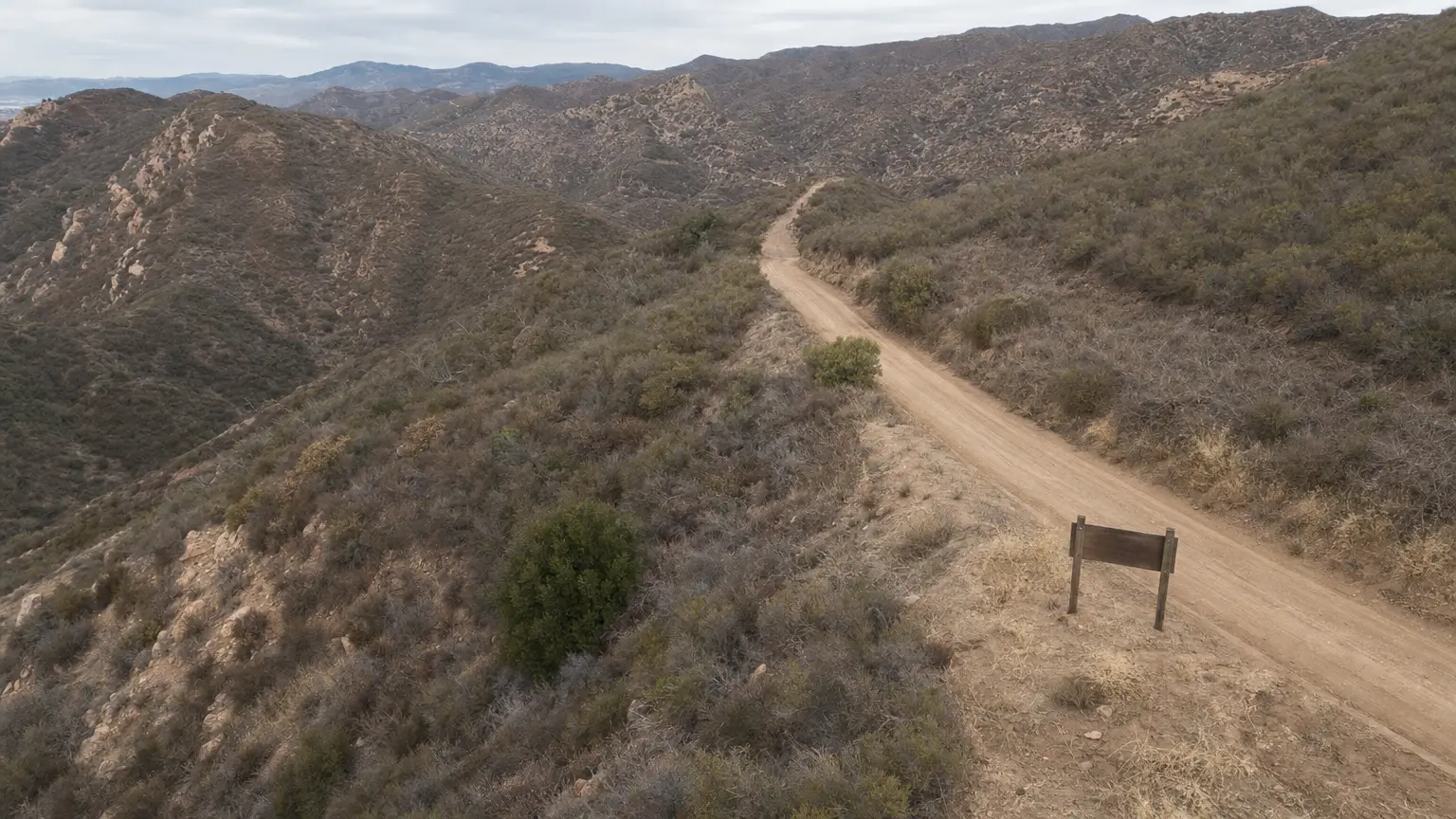
The Conejo Open Space Conservation Agency board voted unanimously May 20 to accept a 245-acre parcel of Conejo Mountain for permanent open space preservation, marking the end of a decades-long process to convert privately-held land into public habitat.
The property, owned by the Southern California Association of Seventh-day Adventists since 1956, sits north of Highway 101 near Wendy Drive and the Conejo Grade. After environmental restoration that lasted from 2020 through 2025, COSCA's board determined the land is ready for public transfer.
"The ability to lock that in forever as a bridge for wildlife migration and all the good things that go with that is great," said Councilmember Bob Engler, who serves on the COSCA board, according to the Thousand Oaks Acorn.
Complex Development History Led to Open Space Deal
The land transfer stems from a complex agreement that began in 1995, when the Seventh-day Adventist church began working with COSCA on development plans for what was then called the Academy Business Park project. The city later approved the proposal as Specific Plan 13, which guides future development of the site.
Following public hearings and an environmental review in 2011, the parties amended the plan to require protected open space as a condition of any development. Under this agreement, the church could either construct trails and open space improvements itself or provide a cash payment and transfer 245 acres to COSCA in lieu of improvements. The church chose the latter option.
Environmental Restoration Complete
As part of the agreement, the church was required to restore damaged portions of the property, including removing illegal roads, clearing trash and restoring native vegetation. Environmental monitoring and restoration review continued from 2020 through 2025, with COSCA approving the final inspection in January.
COSCA currently owns and manages more than 12,700 acres of open space and maintains over 150 miles of trails throughout the Conejo Valley. The agency was created in 1977 through a joint powers agreement between the City of Thousand Oaks and the Conejo Recreation and Park District.
Trail Development Timeline Spans Years
While the land will be preserved permanently, public access remains years away. "There is a plan for a trail to run through the property; that's likely a one- to three- or four-year process," said Brian Stark, COSCA administrator.
"Creating a big trail creates a big maintenance responsibility, and we're playing catch-up on deferred maintenance on existing trails, but we do hope that we will be able to open the property sometime here in the next few years," Stark told the Acorn.
Critical Wildlife Corridor Preserved
The preserved acreage will serve as vital migration corridors for wildlife to access other open space areas, helping offset urban heat island impacts while maintaining air quality and controlling water runoff. Open space areas provide valuable habitat for native wildlife and plant species including threatened and endangered species.
COSCA and the church are expected to finalize the deed transfer and open escrow within the next several months, according to Stark. The addition will bring Thousand Oaks closer to its General Plan goal of preserving nearly 16,000 acres as permanent open space.
Reported by 805.life
Researched and written drawing on primary sources. Additional reporting: Thousand Oaks Acorn.
City
Thousand OaksAdditional Reporting
Thousand Oaks AcornPublished
June 4, 2026
Reported and written by 805.life
Explore Thousand OaksAll Thousand Oaks NewsMore News from Thousand Oaks
 Thousand Oaks
STEPS of hope
This Saturday, our community will come together for a cause that touches nearly every family in Thousand Oaks: the eighth annual Hope Walk, hosted by Cancer Support Community at Cal Lutheran University. It’s more than a morning stroll—it’s a powerful show of solidarity, bringing neighbors, survivors, and caregivers side by side to raise awareness and critical funds for those facing cancer. As I walked the route last year, I saw kids with painted signs, friends hugging after the finish line, and a quiet strength that defines our Conejo Valley. The Cancer Support Community’s work—offering free support groups, wellness classes, and a place to belong—is a lifeline. The Thousand Oaks Acorn captured the spirit perfectly: we walk not just for hope, but for each other. Mark your calendar and lace up your shoes—this is what community looks like.
 Thousand Oaks
CRPD advances $30 million purchase of Fireworks Hill and Hillcrest Center
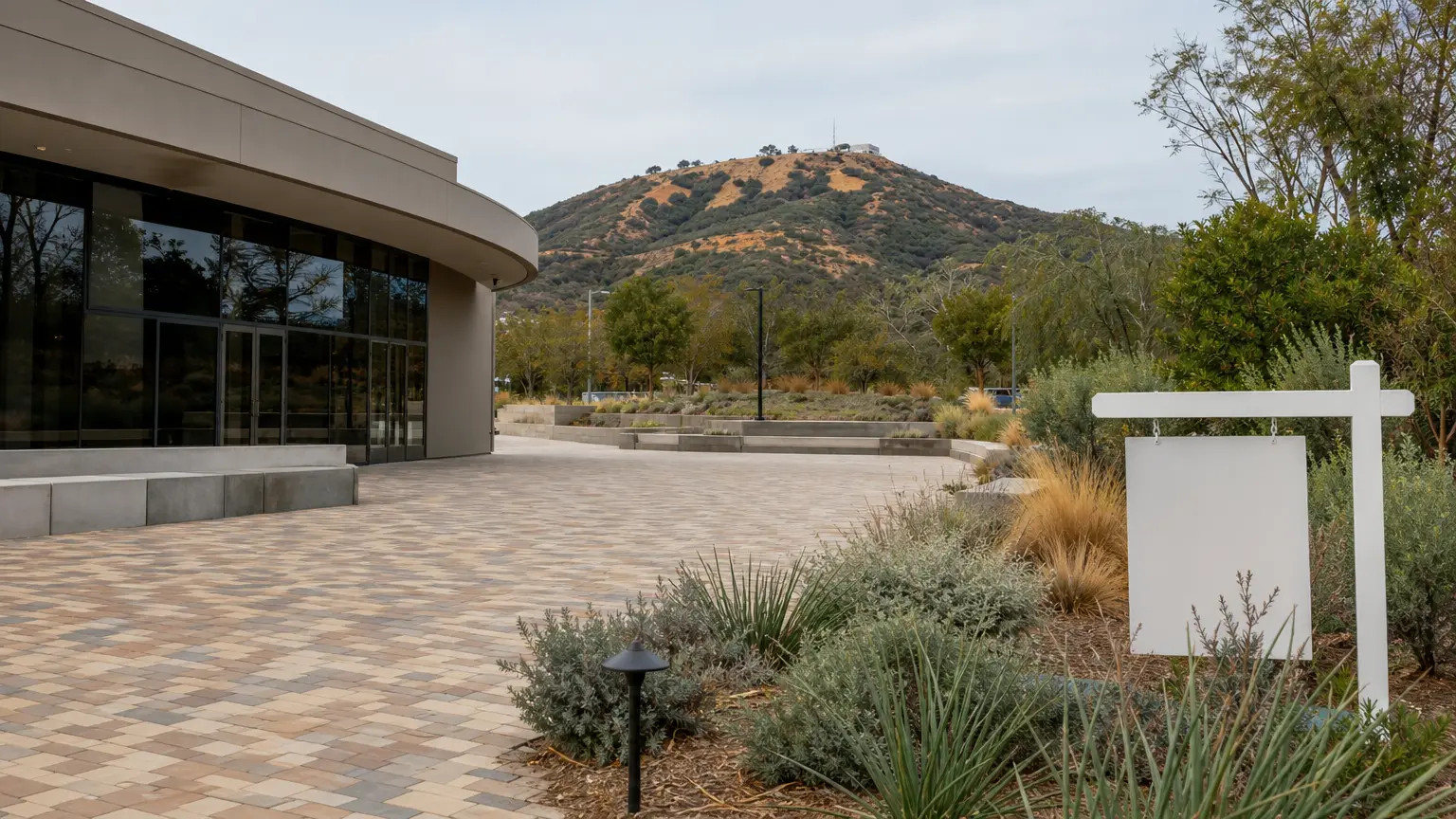
Big news for Thousand Oaks: the Conejo Valley Recreation and Park District is moving forward with a $30 million plan to buy Fireworks Hill and the Hillcrest Center for the Arts, along with the former National Park Service headquarters. If all goes smoothly, Fireworks Hill could officially belong to the park district just in time for its annual Fourth of July celebration — a fitting debut for a place named after the holiday tradition it hosts. The Thousand Oaks Acorn first reported the story, and it’s got locals buzzing. This isn’t just about real estate; it’s about securing a beloved community hub. The Hillcrest Center is home to theater performances, art classes, and cultural events that define our local arts scene. Adding Fireworks Hill — the iconic spot where families gather every Independence Day — means these spaces will stay public and accessible for generations. For anyone who’s ever watched the sky light up over Conejo Valley or taken a class at Hillcrest, this purchase feels like a promise kept.
 Thousand Oaks
GHK-Cu: A Trimeric Signal at the Intersection of Regeneration, Genomic Modulation, and Systems Coordination
Did you catch that fascinating piece in the Thousand Oaks Acorn about GHK-Cu? It's a tiny copper-binding peptide—just three amino acids—but researchers are buzzing about its potential to support wound healing and even modulate gene expression. For a community that values wellness and aging gracefully, this isn't just lab jargon; it's a peek into how science is catching up with nature's own repair kit. While we enjoy our local hikes and farmers markets, it's good to know that discoveries like GHK-Cu are quietly reshaping what's possible in regenerative health. The Acorn continues to bring us these deep dives that connect our lifestyle to cutting-edge science—no PhD required.